Periodontal Associates of North Florida
Oral Cancer Screenings in Tallahasse, FL: Why Early Detection Matters
Visiting your periodontist is about far more than caring for your gums. As oral health specialists, we also watch for early signs of oral cancer at every visit. Early diagnosis and intervention are critical with oral cancer, particularly since it is usually a painless disease until its latest stages, when it is more difficult to treat. The earlier oral cancer is detected, the better the chances of successful treatment. At Periodontal Associates of North Florida, we’re committed to early detection of all forms of oral cancer.
What Is an Oral Cancer Screening?
An oral cancer screening is a simple, non-invasive examination for signs of cancer or precancerous conditions in your mouth. The goal is to identify abnormal tissue or lesions as early as possible. These screenings are typically part of your routine dental checkup and involve visual and physical examinations of your gums, tongue, cheeks, lips, the roof and floor of your mouth, and the throat and neck. We examine the areas more closely with special tools or lights if anything suspicious is seen.
Who Needs an Oral Cancer Exam?
We routinely perform oral cancer screenings on our patients at their regular checkups. However, certain groups are at a higher risk and should be screened more frequently. Risk factors include:
- Tobacco use (including cigarettes, cigars, pipes, and smokeless tobacco)
- Heavy alcohol consumption
- A history of significant sun exposure (linked to lip cancer)
- HPV (human papillomavirus) infection
- A personal or family history of cancer
- Age over 40
That being said, oral cancer can affect anyone, regardless of lifestyle. That’s why we recommend all adult patients receive regular screenings—especially since early stages of oral cancer often go unnoticed without a professional exam.
Signs and Symptoms of Oral Cancer
Knowing what to look for between visits can help you stay proactive. Here are common signs and symptoms of oral cancer:
- Persistent sores in the mouth
- Red or white patches inside the mouth
- Lumps, thick patches, or rough spots in the mouth or on the neck
- Difficulty chewing, swallowing, or speaking
- Unexplained numbness or pain in the mouth or on the lips
- A persistent sore throat or the feeling of something caught in your throat
- Changes in the way your dentures fit or your teeth meet
- Feeling the need to clear your throat or cough frequently
If you notice any of these symptoms lasting more than two weeks, contact us immediately.
What to Expect During Your Oral and Periodontal Cancer Screening
At Periodontal Associates of North Florida, oral cancer screening is a seamless part of your periodontal visit. We start with a visual inspection of your entire oral cavity and use gloved hands to gently feel your jaw, neck, and lymph nodes for any abnormalities. If we see or feel anything suspicious, we may recommend more tests or refer you to an oncologist for further evaluation.
Our team will keep you comfortable and informed throughout the process. The screening typically takes only a few minutes but can make a lifelong difference in your health.
Why Choose Us for Your Oral Cancer Screening?
Periodontists are specialists in the diagnosis and care of abnormalities in the soft tissues of the oral cavity. Our team is trained to detect early signs of oral cancer using the latest techniques and technology. We take the time to conduct thorough examinations and discuss any concerns you may have.
Schedule your oral cancer screening today by calling Periodontal Associates of North Florida Phone Number 850-562-6111 because early detection can save lives.
Experience the Life-Changing Benefits of Periodontal Care
Transform your smile with Periodontal Associates of North Florida. Specializing in advanced periodontal treatments, dental implants, and bone grafting procedures, our expert team is dedicated to delivering comprehensive care for healthier gums and enhanced dental function.
When Should You See a Periodontist? Protect Your Smile in Tallahassee, FL
If you’re noticing changes in your gums—like bleeding, swelling, or receding tissue—it may be time to see a periodontist.
What Is a Periodontist?
A periodontist is a dental specialist focused on preventing, diagnosing, and treating gum disease and issues affecting the structures that support your teeth. Periodontists receive additional training beyond dental school to manage complex gum problems expertly, perform gum grafting procedures, and precisely place dental implants. Whether battling gum disease or planning implant-supported restorations, a periodontist is your best ally in achieving long-term oral health.
Top Signs You Should See a Periodontist
Not sure if you need a specialist? Here are the most common signs you need a periodontist:
- Chronic bad breath or a bad taste in your mouth
- Swollen, red, or tender gums
- Bleeding gums during brushing or flossing
- Gum recession or teeth appearing longer than usual
- Loose or shifting teeth
- A change in how your teeth fit together
- Pain or discomfort in the gums or jaw
These symptoms could indicate gum disease or more advanced periodontal issues. Don’t wait—early diagnosis and treatment are key to protecting your teeth and gums.
The Importance of Early Intervention
Gum disease is a progressive condition. It may be reversible in its early stages (gingivitis) with proper care. But left untreated, it can develop into periodontitis—a more severe infection that damages the gums, bone, and connective tissue. Bleeding gums treatment and deep cleaning procedures like scaling and root planing can halt this progression if caught in time. That’s why it’s critical to recognize the signs early and work with a periodontist in Tallahassee, FL, who understands how to preserve your natural teeth and stop the disease in its tracks.
Specialized Care for Dental Implants & Gum Recession
If you’re considering dental implants or suffering from gum recession, a periodontist offers the advanced care you need. At Periodontal Associates of North Florida, we use the latest techniques to:
- Place long-lasting dental implants with guided precision
- Treat receding gums with grafting techniques that restore a natural gum line
- Rebuild lost bone with grafts to support implants or natural teeth
- Manage implant complications such as peri-implantitis
Our focus is always on preserving your oral health and restoring your confidence.
Why Choose Periodontal Associates of North Florida?
Led by highly trained periodontal specialists, our Tallahassee office is committed to providing expert care in a comfortable, compassionate environment. We offer:
- Decades of combined experience in periodontal therapy and implant dentistry
- Advanced technology for improved diagnosis and treatments
- Personalized treatment plans tailored to your needs
- Patient education and prevention strategies for lifelong oral health
Schedule a Consultation Today
If you’re experiencing gum disease symptoms, need bleeding gums treatment, or are exploring options for dental implants, don’t wait to get the specialized care you deserve. Contact Periodontal Associates of North Florida today at Periodontal Associates of North Florida Phone Number 850-562-6111 to schedule a consultation. Together, we’ll protect your smile and restore your health—starting with your gums.
Your Family Periodontist in Tallahassee!
Book today with Dr. Colón, Dr. Guzmán, Dr. Zellner or Dr. Overfelt, serving Thomasville, GA and Crawfordville, GA and surrounding areas.
Periodontal Associates of North Florida Phone Number 850-562-6111 Book Your Appointment Patient Registration
Looking for Dental Implants in Tallahassee? Here’s What You Should Know
If you’re missing one or more teeth, you’re not alone. Fortunately, you have more options than ever regarding restoring your smile. Dental implants are widely accepted as the gold standard in tooth replacement, offering a permanent, natural-looking solution. But when it comes to where to get dental implants in Tallahassee, choosing the right provider makes all the difference.
Why Dental Implants Are the Gold Standard
Dental implants offer a permanent, stable, and highly functional solution for missing teeth. Unlike bridges or dentures, implants are surgically placed into the jawbone, fusing with the bone to create a solid foundation for a crown, bridge, or even full arch of teeth. The result is a permanent tooth replacement option that looks and performs like natural teeth.
Key benefits of dental implants include:
- Preservation of jawbone and facial structure
- Long-lasting durability with proper care
- No need to alter or damage adjacent teeth, unlike bridges
- Improved speech, chewing ability, and self-confidence
Dental implants consistently deliver the most reliable and life-changing outcomes when it comes to missing teeth solutions.
Who Performs Dental Implants in Tallahassee?
Several providers offer dental implants in Tallahassee, but it’s important to understand the difference between a general dentist and a periodontist. While some general dentists offer implant placement, a periodontist specializes in the supporting structures of the teeth, including the gums and jawbone.
A periodontist undergoes years of additional training focused specifically on the following:
- Surgical implant placement
- Bone grafting and sinus lifts
- Treating gum disease (which can impact implant success)
- Managing complex or compromised implant cases
Choosing a dental implant specialist like a periodontist ensures you’re in the hands of someone with the surgical skill, experience, and technology to maximize the success of your implant procedure, especially if you’ve been told you’re not a candidate or need advanced care.
What to Look for in a Dental Implant Provider
Not all implant providers are the same. Here’s what to consider when deciding where to get dental implants in Tallahassee:
- Specialized training: Look for a periodontist or surgeon with implant-specific expertise.
- Technology: Advanced imaging and guided surgery tools improve precision and outcomes.
- Comprehensive care: Does the provider handle everything in-house, from planning to placement and maintenance?
- Track record: Ask how many implants they place annually and review before-and-after results.
- Patient-centered approach: Your comfort, questions, and goals should always be top priorities.
A periodontist checks all these boxes, making them the most qualified to handle both straightforward and complex implant cases.
FAQs About Dental Implants in Tallahassee
How long do dental implants last?
With good oral hygiene, dental implants can last 20 years or more, and some last a lifetime.
Am I a candidate for implants if I’ve had bone loss?
Yes, if you are willing to consider bone grafting techniques offered by periodontists.
Are implants painful?
Most patients report minor discomfort for a few days following implant placement, similar to a routine extraction. The procedure itself is not painful, as we offer sedation.
How much do dental implants cost?
Costs vary based on complexity and the number of implants needed. Many providers offer financing and payment plans.
Do I need a referral to see a periodontist?
Not necessarily. You can book a consultation directly. Check with your insurance provider to see whether you can schedule an appointment without a referral.
Why Choose Periodontal Associates of North Florida
If you’re still wondering where to get dental implants in Tallahassee, Periodontal Associates of North Florida stands out for their advanced expertise, personalized care, and long-standing reputation. Our team of board-certified periodontists uses state-of-the-art technology and a patient-centric approach to deliver outstanding results. Whether you’re exploring missing teeth solutions or ready to move forward with permanent tooth replacement options, we’re here to guide you every step of the way.
Contact Periodontal Associates of North Florida today at Periodontal Associates of North Florida Phone Number 850-562-6111 to schedule your personalized consultation. Let us help you restore your confidence and your smile with expert dental implant care.
Regain Your Smile and Confidence with Dental Implants
Experience the life-changing benefits of dental implants! Restore your missing teeth, eat with confidence, and enjoy a natural-looking smile. Say goodbye to worries about facial contours and bone deterioration. Schedule a consultation today!
We’re Loopy for Loupes!
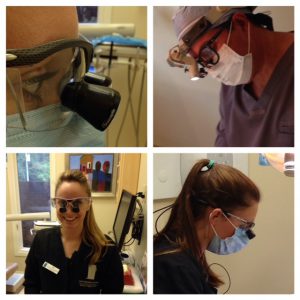
Ever wonder why your Periodontal Associates of North Florida (PANF) hygienist is wearing those giant glasses? Why, the better to see you with of course!
Those giant glasses are called “loupes,” and you will notice that all of our hygienists wear them. Loupes provide 2.0-to-4.8 times the magnification compared to the naked eye, while also providing essential eye protection during dental procedures. These special glasses provide many benefits to our daily lives as hygienists.
Of course we know the loupes magnify what we are seeing as we look through the lens. This means we can better visualize the health of your gum tissue and teeth to provide the best possible periodontal maintenance cleaning during your visit in our office. This magnification enables our hygienists to more accurately detect calculus (tartar) deposits, possible carious lesions (decay) and more precisely measure the periodontal pocket readings for our diagnosis and monitoring of your gums. When you hear us calling out a string of numbers, we are in fact gathering some very precise and useful data for Dr. Colón! (More to come on that topic!)
Never a pain in the neck, loupes always have our backs…literally! Loupes help prevent repetitive strain injuries (RSI) in our hygienists’ hands, meaning we don’t have to bend over the patient or lean our heads down to see an area in closer detail. Each pair of glasses is custom-built to accommodate the working distance of each individual hygienist.
At PANF, we are proud to provide our patients with the best care in a clean, safe and inviting environment. Visual examination is one of the most basic and important tools dental professionals use to evaluate oral health. Loupes ensure that we maximize what we can see and provide you with the best results possible. The next time you are in our office for your periodontal maintenance, ask us about our loupes!
Surprising Cavity Killers
Most patients are aware that brushing and flossing is the central defender of cavities. However, there are other ways to keep your pearly whites healthy! These foods, drinks and tips may help prevent cavities and tooth decay:
 1) Cheese – Being cheesy isn’t always a bad thing. Casein, a protein included in cheese, increases calcium levels in the mouth. Because teeth already partially consist of calcium, salvia calcium helps mineralize teeth, which prevents cavities.
2) Sugar Free Gum – Doctors have recommended chewing sugar free gum to avoid cavities for years. The reason – sugar free gum consists of a sugar substitute called “xylitol.” This isn’t the same teeth-rotting sugar substitute included in diet soda. Xylitol prevents cavities because bacteria cannot use it to grow or produce acid. Bacteria use many pathways to spread, but xylitol is not one of them.
3) Dark Chocolate- Dark chocolate contains cocoa beans with strong antioxidants that can prevent tooth decay. Tannin, the component in dark chocolate that give it its bitter taste, prevents oral bacteria from sticking to one’s teeth. The polyphenols in dark chocolate not only limit bacteria, but also work to prevent bad breath by neutralizing microorganisms. Remember that DARK CHOCOLATE – not milk chocolate or white chocolate – is the cavity killer.
4) Using a Straw- Carbonated beverages are never a wise choice regarding oral health. However, there is a way to limit cavity growth while consuming soda: using a straw. Using a straw and not letting the soda hit your teeth reduces the chances of tooth decay and cavities. That said, drinking sodas still increases your chance of getting tooth decay, so keep your favorite carbonated pick-me-ups to a minimum.
What Good Oral Health Means When You Are Pregnant
If you are pregnant, you already know how important it is to take care of your body, especially during this exciting time. A nutritious diet, regular moderate exercise and adequate sleep help protect both your health and the health of your baby. What you may not already know is how important your oral health is during pregnancy also.
Recent research has suggested that women with periodontal disease may have a higher risk of unwanted childbirth complications, such as pre-term labor and low birth weight of the baby. The good news is that a thorough exam by your periodontist may decrease the chance of these pregnancy and labor problems.
What exactly is periodontal disease? Simply put, it is gum disease, a chronic inflammatory condition in the gums that is caused by the presence of bacteria.
So what can you do about it? To ensure the best health outcome for you and your baby, be sure to see your dentist or periodontist regularly during your pregnancy in addition to receiving regular medical care from your obstetrician. As always, practice good dental hygiene at home with routine brushing and flossing.
By being a life-long advocate for your oral health you might just save yourself and your baby from potentially serious complications. Wishing you a happy pregnancy and many joyful years to come!
Can My Dental Implants Get Cavities? (And Other Common Questions)
I hear dozens of questions every day about dental implants from curious patients. I welcome all patient questions and I try to provide helpful answers.
To help you better understand an upcoming dental implant procedure, we’ve compiled a top-five list of the most common questions about dental implants:
 1. Can dental implants get cavities?
No. Because the implant-restored crown is made from an artificial material, it cannot grow cavities! However, you still need to have regular gum care and cleanings around the implant site just like you would for a natural tooth.
2. Can implants slip or fall out like dentures?
No. The crown is attached to the permanent titanium post that is set in the jaw. Crowns will not slip around or fall out like you may have experienced with dentures.
3. Can I sleep with my dental implants in?
Yes! They are practically “permanent,” unlike dentures. You do not need to remove and soak them overnight.
4. Aren’t dental implants more expensive than bridges and dentures?
It depends. If you are talking about just a few teeth, implants may be cheaper over time than bridges because they last longer. However, if you need a whole row of teeth replaced, dentures may be a less expensive option for you. Each case is unique, so be sure to call us for a proper consultation. We are here to help you understand all costs and benefits so you can make the right decision for you!
5. How long will my dental implants last?
If you take care of your implants properly, dental implants can last for many decades or even a lifetime. Some implants have been in patients for more than forty years!
Don’t see your question on our list? Contact us today for quick answers!
Considering an Upgrade to Dental Implants?
Have you been thinking of upgrading your current tooth replacement strategy but aren’t sure where to start? This is a great time of growth in modern dentistry, especially when it comes to replacing missing teeth! With the evolution of dental implants, patients don’t have to suffer some of the pains of the past when older, traditional tooth replacement methods were used.
 Traditionally, missing teeth were always “fixed” with bridges or dentures. And while both of those procedures are still in use by dentists and do still serve an important purpose, they often cause unintended problems in the mouth that modern dental implants may be able to alleviate, or avoid completely.
What is a dental implant, you may be asking? At the most basic level, a dental implant is simply a prosthetic tooth that is mounted to a metal post which is screwed into the jaw bone. The procedure is typically done in two visits. During the first procedure, a titanium screw is inserted into the jawbone, where it is allowed to “settle in” and bond, a process that takes about six to eight months. After that, the dentist creates a prosthetic tooth and attaches it to the titanium post for a fully functional (yet fake) tooth!
The benefit of dental implants is that, unlike dentures, they are almost unnoticeable by the patient. Anyone who has had dentures knows that they tend to slip and wear down and sometimes even cause mild pain or discomfort. With dental implants, you will not even know they are there. They function just like a natural tooth in your mouth, no slipping, movement or separate cleaning required. Similarly, patients who are used to receiving bridges may benefit by an upgrade to an implant as bridges have a tendency to invite bacteria and infection, requiring additional replacements.
Whatever your concerns about dental implants are, we are here to help. Give Dr. Colon a call today to see if dental implants might be right for you!
Crown Lengthening to the Rescue: When Gums and Teeth Need an Intervention
When the gum to tooth relationship has deteriorated, you may hear us suggest a procedure called “crown lengthening”. Many patients are a little bit hesitant about having this procedure done because it’s a relatively new idea. They simply aren’t sure what it is and more to the point: they aren’t sure why they have to have it. So if you have an upcoming crown lengthening procedure scheduled, read on to find out why we might be doing it and what to expect.
 What is Crown Lengthening?
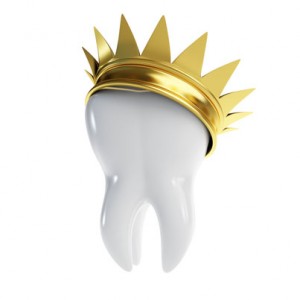
The idea behind crown lengthening is to expose more of the tooth or bone under the tooth by contouring and reshaping your gum tissue. This restores a good “gum-to-tooth relationship” (so that more tooth is showing).
Why am I having this procedure?
Sometimes crown lengthening is done for aesthetic reasons, for example to reveal more pearly white teeth when a patient is concerned about an overly “gummy” smile.
Other times, crown lengthening is necessary if we need to install a new crown or perform other restorative work in the area but there simply isn’t enough tooth showing for us to work with.
What’s the big deal about crown lengthening?
Crown lengthening is a great improvement when you consider the old way we used to deal with this issue which was to remove what was left of the tooth and use a removable denture instead. Now you get to keep your naturally rooted tooth and we will install a more or less permanent crown – no dentures to deal with!
What is the procedure like?
Usually it can be done in less than an hour, depending on how many teeth need work. Also, typically the procedure can be done under local anesthesia so you can be in and out on time!
Still have questions? Call Dr. Colon today to ease your anxieties about this smile-transforming, modern procedure!
A Clean Tongue 101
Did you know that 50% of the bacteria in your mouth live on the surface of your tongue? Also, a tongue cleaning is the single most important step you can take toward diminishing bad breath.
 We all know just how important brushing and flossing is to our oral health, and sometimes tongue scraping takes a seat behind these important steps. However, tongue scraping is just as important! The best way to rid you of bad breath is by scraping the smelly bacteria off. While scraping off tongue bacterium sounds somewhat gross, imagine all the bacteria just sitting on your tongue!
The tip of your tongue is less likely to harbor odor-producing bacteria since it constantly comes into contact with your hard palate when eating and speaking. The friction and contact creates a cleansing action that prevents debris build up. However, the back of your tongue only touches your soft palate, and results in a build up of bacteria. Even if you stick out your tongue while looking in the mirror, you’ll see white, or even a brown colors on the surface of the back of your tongue.
Brushing your tongue is better than not paying any attention to your tongue, but there are other much more effective ways to get your tongue to be squeaky-clean. If you do choose to use your toothbrush, gently move the toothbrush from back to front and along the sides. Try to brush as far back as possible to get all the gunk on the back of your tongue. Be careful, you might find that you have an active gag reflex, but don’t worry there’s a good chance it will diminish over time.
Another option is using a tongue scraper. Many people find that scraping the tongue is much more effective than brushing. You can either purchase a tongue scraper in the toothbrush aisle of your local drugstore, or even use a spoon from home! Just moisten the spoon, turn it upside down and place it at the back of your tongue and drive it forward. You’ll notice that using a tongue scraper/spoon has less of a tendency to gag.
Daily tongue cleaning is a well-established practice in many cultures, however is much less spoken about in the US and Canada. Since cleaning your tongue is relatively easy and quick, we recommend that the tongue be cleaned both morning and evening. According to studies, practicing good tongue cleaning is especially good if you have significant stress, as tongue coating tends to increase during stress. In addition to your tongue cleaning, be sure to brush and floss your teeth daily!